Meeting Notifications & Community Communications
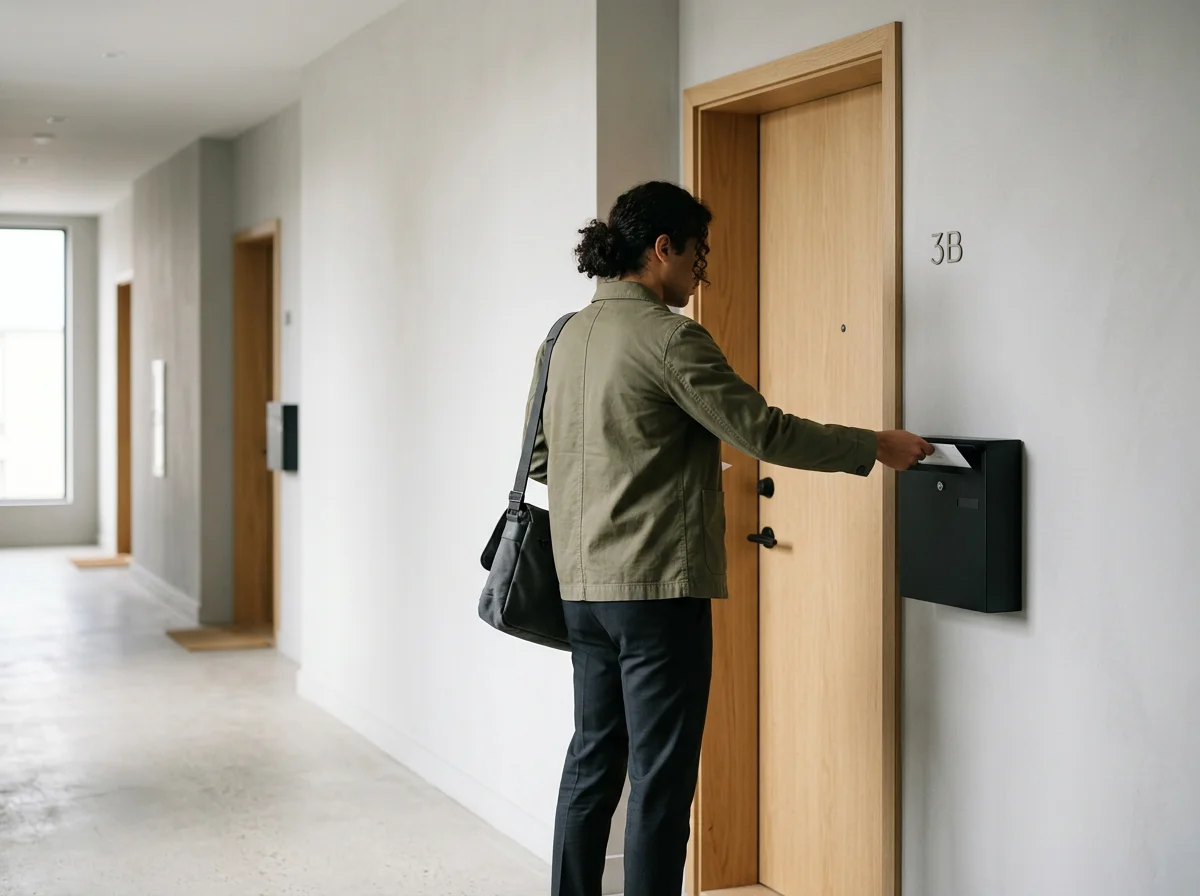
1. Conspicuous Physical Posting
What the Law Requires: Meeting notices must be physically posted in a conspicuous, prominent location where residents naturally pass by in their daily routine.
The Reality at Oak Hills: Taping paper notices to the office door—located down a secluded pathway hidden from streets, driveways, and parking areas—fails the legal standard for conspicuous posting. A notice you can only see by walking down a hidden walkway does not provide true public notice.



How Board Meetings & Official Notices Are Required to Work
Under Illinois law—specifically the Illinois Condominium Property Act (ICPA) and the Common Interest Community Association Act (CICAA)—board meetings must be open to residents,
and official notice of every meeting along with a full, specific meeting agenda detailing all business to be conducted—must be provided at least 48 hours in advance.
The goal of state law is simple: Every resident must have a fair, reliable way to know when board decisions are being made.
Key Requirements vs. Current Community Issues
2. Portal Discrepancies Across Style Portals
What the Law Requires: When management directs residents to access official documents on digital portals, those directories must be consistent, active, and accessible.
The Reality at Oak Hills: Each housing style (Quads, Villas, Townhomes, Midrises) uses a separate portal. Management instructed residents to look for official notices in designated folders like Mailings/Notices or Urgent News. However:
In style portals (such as the Quads portal), the Mailings/Notices folder disappeared and was later replaced by a newly created Meetings-Special Notices folder. Yet the Board directs residents to look for folders that are not there, which causes frustration.
Folders designated for critical updates are frequently left empty prior to meetings.
Constantly changing, missing, or unannounced folder updates create confusion and prevent residents from reliably finding meeting notices.
3. Electronic Opt-In & Hard-Copy Rights
What the Law Requires: Management can only deliver official notices via email to owners who have provided explicit written consent. For any owner who has not opted in (or who prefers paper), official notices must be delivered via U.S. Mail or personal hand delivery.
The Reality at Oak Hills: Relying on email blasts, website posts, or digital portal uploads alone does not satisfy statutory notice requirements for non-opt-in residents.
How Notice Failures Impact Our Digital Newsletter
The issues with official meeting notices mirror broader administrative problems with community digital communications, including our digital newsletter (The OakLeaf):
Broken & Incorrect Digital Links: Digital newsletters and email announcements routinely contain broken, misdirected, or incorrect links (for instance, clicking calendar links that open unrelated text documents or invalid web pages).
Reliance on Digital Delivery Without Alternatives: When digital links fail or newsletters fail to deliver, residents who rely on digital updates are left completely uninformed.
Exclusion of Non-Digital Residents: Just as meeting notices require hard-copy delivery for non-opt-in owners, relying exclusively on digital newsletters without reliable hard-copy or phone-friendly alternatives leaves a portion of our community out of the loop.
Why This Matters to Every Resident
When meeting notices are posted in hidden locations, buried in missing portal directories, or sent via flawed digital blasts, board meetings are held without proper statutory notice.
Votes and policy decisions made at improperly noticed meetings can be invalidated.
Lack of proper notice deprives residents of their statutory right to observe board deliberations and stay informed about community governance.